Views: 0
Friday night, a local shop owner locks the door, turns the sign to CLOSED, and thinks the day is done. Meanwhile, their website is still getting visitors. People are still asking questions. “Are you open tomorrow?” “Do you take walk ins?” “How much does it cost?” “Can you fit me in?” If nobody answers, those visitors do what people always do. They bounce to the next business.
That gap is your weekend opportunity.
A simple customer support chatbot, the kind that lives on a website and answers real questions in plain language, is one of the easiest “sell it locally” AI services right now. It is not magic. It is not a robot employee. It is a polite, always-on helper that handles the repeat stuff and hands off the tricky stuff to a human.
Why this sells to small businesses fast
Customers are impatient, and it is not personal. Zendesk reports that many customer experience leaders feel behind on delivering the instant experiences people expect. (Zendesk)
HubSpot’s 2024 service research also points in the same direction. In their State of Service report, 92% of CRM leaders say AI improved response times, and 83% say it became easier to respond to service requests.
That matters because local businesses often have the same pain points:
- Missed calls while staff is busy
- After-hours questions that pile up
- Repetitive inquiries that waste time
- Leads that go cold because nobody replies quickly
A chatbot solves those problems without hiring a night shift.
What you are actually selling (keep it simple)
You are selling three things:
- Faster answers
A chat widget responds right away with hours, pricing ranges, scheduling links, policies, and basic troubleshooting. - Fewer interruptions
Staff stops answering the same five questions all day. - Captured leads
When a customer is ready, the bot collects name, phone, email, and what they need, then sends it to the owner or the front desk.
Zendesk also shares that a meaningful portion of consumers prefer bots when they want immediate service. That preference is not universal, but it is large enough to justify offering an instant option. (Zendesk)
The “weekend build” plan that works
You can build a sellable chatbot in one weekend if you control the scope. Do not try to answer every question known to mankind. Make it excellent at the top 25.
Saturday morning: pick one business type and a tight goal
Start with industries where questions repeat constantly:
- Barbers and salons
- Auto repair
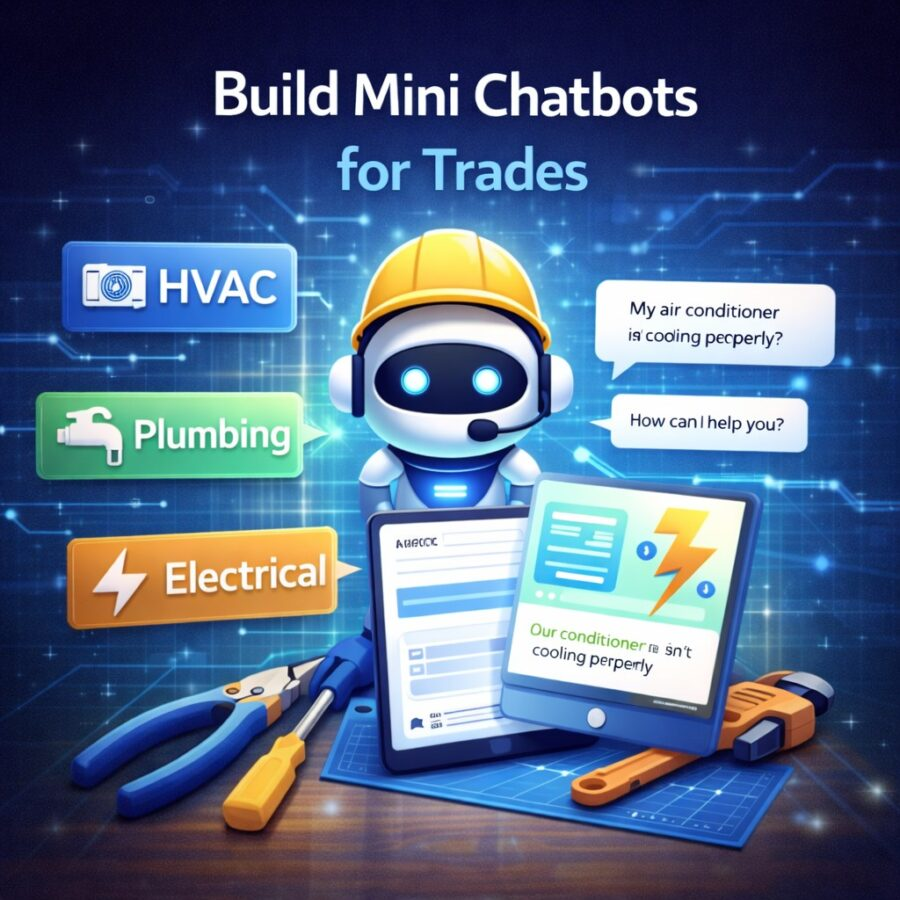
- HVAC and plumbing
- Dentists and chiropractors
- Gyms and trainers
- Restaurants with catering
- Local retailers with returns and hours
Pick one clear outcome: “Reduce calls about hours and booking” or “Capture leads after hours” or “Answer pricing and service questions.”
Affiliate Link
See our Affiliate Disclosure page for more details on what affiliate links do for our website.
Saturday midday: gather the source material
You need basic info, not a novel:
- Services offered
- Service area (towns covered)
- Hours and holiday hours
- Pricing ranges (even “starting at” helps)
- Booking link or phone number
- Common policies (returns, cancellations, deposits)
- Top questions staff hears every week
Pro tip: if they do not have this written down, that is not a blocker. You can create the draft with AI and have the owner approve it.
Prompt: You are helping a local business create a short FAQ for a website chat assistant. Ask me 15 questions, one at a time, to collect the details you need: hours, services, pricing ranges, booking process, service area, policies, and the most common customer questions. Keep each question short and easy to answer.
Saturday afternoon: build the bot with safe rules
Your “rules” are what keep the bot from making stuff up. The bot should:
- Answer only from approved business info
- Offer a simple next step when unsure (“I can help you contact the shop”)
- Never guess pricing if the shop did not approve it
- Hand off urgent issues to a human
IBM notes that chatbots can help reduce staffing pressure, including after-hours coverage, when they can handle common questions effectively. (IBM)
Sunday: test it like a skeptical customer
Testing is where you earn trust. Try questions that tempt the bot to guess:
- “Are you open on Sunday?” (when hours are unclear)
- “Do you service my town?” (edge of service area)
- “How much for a full brake job?” (pricing varies)
- “Can I get a refund after 45 days?” (policy boundaries)
Prompt: Act like a picky customer. Generate 30 test questions for this business chatbot. Include tricky edge cases and questions with missing info. For each question, tell me what a safe, honest answer should look like: either a clear answer from the FAQ, or a handoff message that collects contact details.
What to charge and how to package it
Small businesses like clarity. Give them a menu with outcomes, not features.
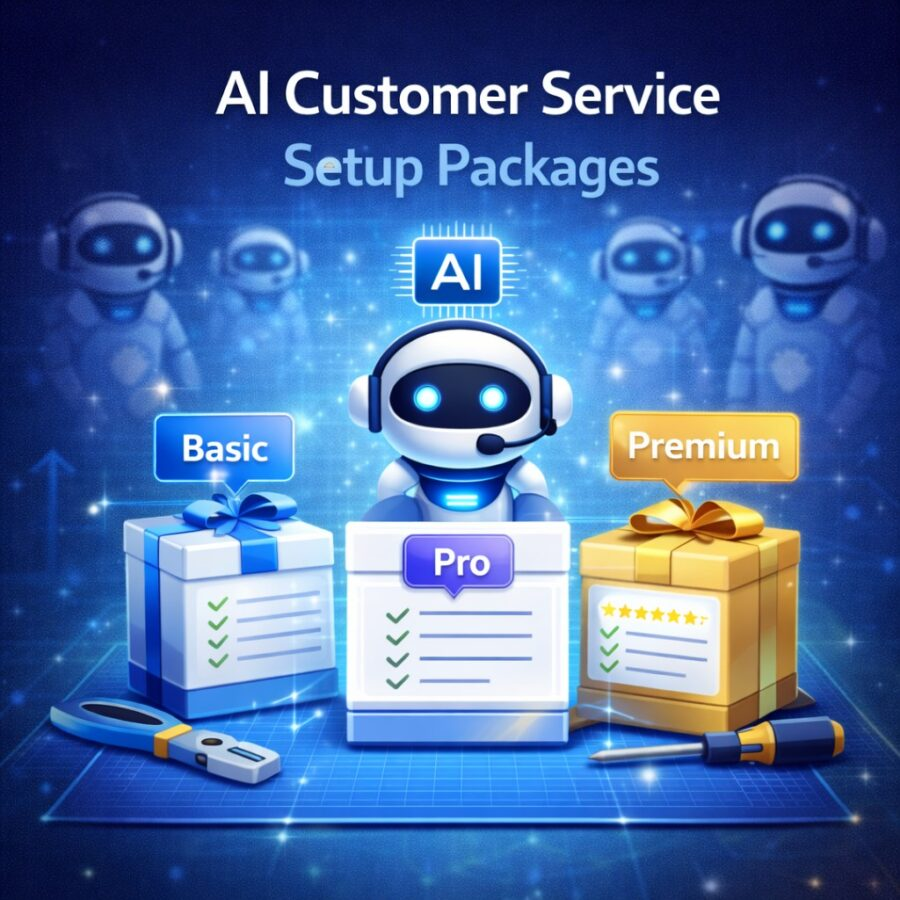
Starter: Website Chat FAQ Bot
- Setup: $300 to $750
- Monthly: $49 to $199 (hosting, updates, light tweaks)
Best for: salons, small retail, solo operators
Plus: Lead Capture and Booking
- Setup: $750 to $1,500
- Monthly: $199 to $399
Includes: lead form, booking link integration, weekly improvement based on real questions
Pro: “Support Lite” for busy shops
- Setup: $1,500 to $3,000
- Monthly: $399 to $900
Includes: multi-page FAQ coverage, staff handoff routing, monthly reporting, seasonal updates
Do not underprice the ongoing work. A bot that never gets updated becomes wrong over time.
Your local pitch that does not feel salesy
Walk in with a simple, respectful angle: “I noticed people ask the same questions online. I can install a chat box that answers instantly and sends you leads when you are closed.”
Then show proof:
- A 30-second demo on your phone
- A short list of questions it answers
- A screenshot of a lead capture message
Keep the pitch grounded. Zendesk reports that many consumers expect AI to change how they interact with businesses, and many leaders plan to integrate it broadly. That makes your offer feel normal, not futuristic. (Zendesk)
One important truth: some customers still want a human
You should say this out loud to the owner because it builds trust. Shopify cites research showing many customers still prefer speaking with a live person over an AI chatbot in support situations. (Shopify)
So position the bot as “first response,” not “replacement.” It handles the easy stuff, then passes the baton.
Affiliate Link
See our Affiliate Disclosure page for more details on what affiliate links do for our website.

The easiest way to close the first deals
Offer a short pilot:
- 14 days live on their site
- Covers the top 25 questions
- Includes one round of edits based on real chats
Risk goes down. Yes rates go up.
Also, aim for businesses with messy inboxes. If they take two days to reply right now, the bot looks like a miracle.