Views: 0
A product page can have gorgeous photos, a fair price, and shipping that is faster than your neighbor’s gossip. Then the description shows up and fumbles the handoff. One vague paragraph, a few random specs, and a “premium quality” claim that could describe a paper towel.
That gap is where a simple freelance offer turns into real money. If you can deliver AI Product Descriptions That Convert, you become the person who fixes the most ignored part of ecommerce: the words that answer doubts and push the buyer over the line.
And yes, AI is the accelerator. You are still the driver.
Why AI Product Descriptions That Convert are in demand
Online shoppers abandon carts for all kinds of reasons, but weak product content is a repeat offender. Salsify’s consumer research has reported that shoppers abandon purchases when product information conflicts across channels, and that many returns happen because items do not match the listing. (Salsify)
In plain English, sloppy descriptions cost money twice. First, you lose the sale. Second, you eat the return.
UX research backs up the same theme. Nielsen Norman Group recommends using product-page content to answer user questions, support comparison, and help people move toward purchase without friction. (Nielsen Norman Group) Baymard’s ecommerce studies also highlight that detailed descriptions are crucial, yet a noticeable chunk of sites still provide descriptions that are not sufficient for users’ needs. (Baymard Institute)
So the opportunity is not theoretical. Stores already know they have a problem. They just do not have time to fix it.
What online stores actually want from AI Product Descriptions That Convert
Most store owners do not want poetry. They want clarity that sells.
They want descriptions that do five things quickly:
- Explain what it is and who it is for
- Make benefits obvious without hype
- Cover the “will this work for me?” questions
- Present specs in a scannable way
- Match the brand voice and reduce returns
Shopify’s own guidance pushes the same direction: highlight benefits, consider bullet lists, and include technical details where relevant. (Shopify Help Center)
Your freelance edge is turning that into a repeatable system.
Affiliate Link
See our Affiliate Disclosure page for more details on what affiliate links do for our website.

Your simple service menu for a product description side gig
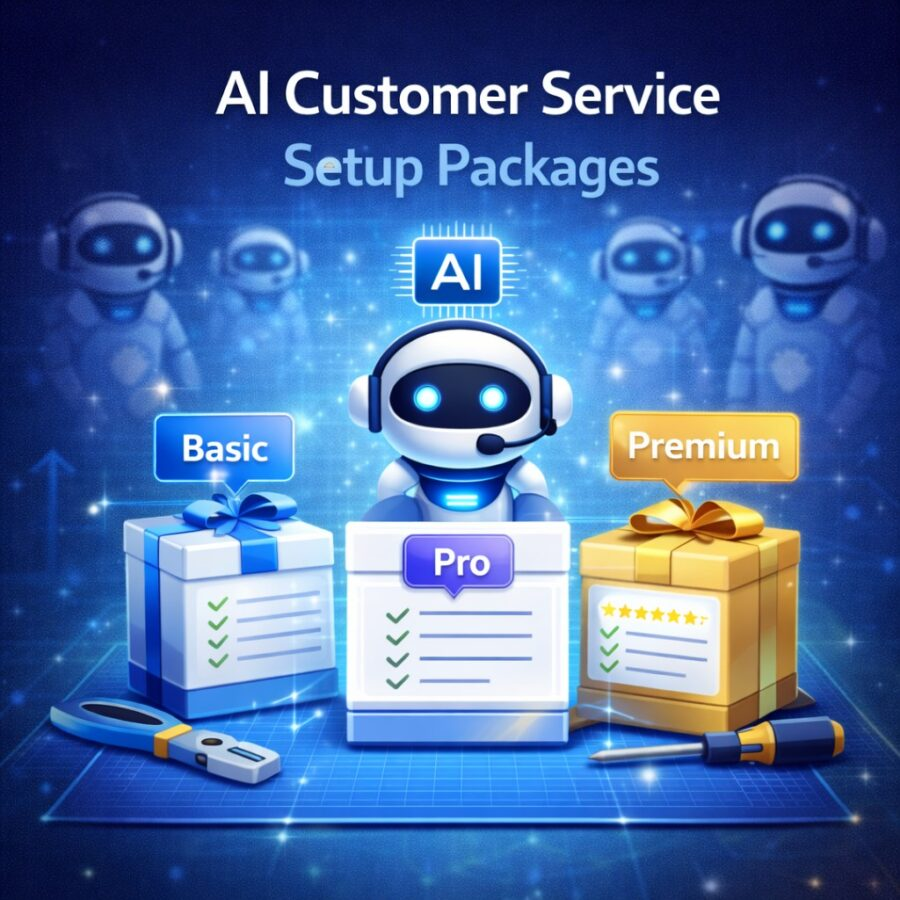
You do not need ten confusing options. You need three clean tiers that make sense to a busy store owner.
Starter: “Fix the basics”
- One rewritten description per product
- Benefit focused copy plus a short spec block
- One mini QA pass for clarity and accuracy
Pro: “Conversion ready”
- Two description lengths (short and detailed)
- Bullet highlights plus scannable details
- Voice matching to their brand tone
- SEO touches: keyword placement and clean headings
Premium: “Catalog polish”
- Everything in Pro
- Category level consistency rules
- Variation handling (sizes, colors, bundles)
- Monthly refresh on top sellers and high return items
This is how you sell AI Product Descriptions That Convert without sounding like you are selling “words.”
You are selling fewer refunds and more confident buyers.
The audit step that separates amateurs from pros
Before you write, you diagnose. Otherwise you end up polishing the wrong thing.
Run a fast product page audit and look for:
Missing decision info
Are key specs absent, buried, or unclear? NNGroup emphasizes product content must answer questions and support comparison. (Nielsen Norman Group)
Confusing structure
Baymard found that structuring descriptions around “product highlights” helps users engage with the core features instead of skimming and bouncing. (Baymard Institute)
Mismatch across channels
If the product title, bullets, and description disagree between the site and social listings, trust takes a hit. (Salsify)
Overuse of empty adjectives
“Premium.” “High quality.” “Best.” These words are cotton candy. Big volume, no nutrition.
When you show this audit in one page, clients instantly see why you are worth paying.
The 7 step workflow to produce AI Product Descriptions That Convert
Step 1: Collect the facts
Ask for the manufacturer specs, materials, dimensions, care instructions, warranty, and what customers complain about most.
Step 2: Identify the buyer and the job to be done
Is it for a busy parent, a hobbyist, or a gift shopper? A description that converts feels like it is talking to one person.
Step 3: Draft the “highlights” first
Write 4 to 6 bullets that state the strongest benefits and differentiators. This lines up with best practices that support scanning and feature discovery. (Baymard Institute)
Step 4: Add the proof and details
This is where you add specs, compatibility, sizing, and care. Think questions first, not paragraphs first. (Nielsen Norman Group)
Step 5: Handle objections directly
If returns happen due to “not as expected,” tighten expectations. Salsify’s data on returns tied to inaccurate listings makes this point painfully clear. (Salsify)
Step 6: SEO and readability pass
Use the key phrase naturally. Keep sentences short. Break up walls of text. Add a second level headline if the page allows it. (Yoast will thank you.)
Step 7: QA like a picky customer
Check measurements, claims, and policies. If you guess, you create refunds.
That workflow is your “factory.” AI is the conveyor belt, not the quality inspector.
Affiliate Link
See our Affiliate Disclosure page for more details on what affiliate links do for our website.

How to use AI without sounding like a robot wrote it
AI can write fast. Speed is not the job. Precision is the job.
Here are three guardrails that keep your output human:
Use a brand voice guide
Ask for three example listings they love and three they hate. Mirror the “love” pattern.
Force specificity
Replace vague claims with measurable truth. “Soft” becomes “brushed cotton feel.” “Strong” becomes “supports up to 40 lbs.”
Write like a helpful salesperson, not a brochure
NNGroup recommends directness and question answering. That tone sells because it reduces mental effort. (Nielsen Norman Group)
If you want AI prompts that work, keep them simple and structured.
Prompt: Write a product description that follows this layout: 1 sentence hook, 5 bullet highlights, short paragraph explaining who it is for, scannable specs list, and a final line that sets expectations. Use a friendly, confident tone. Avoid hype words like “best” or “premium” unless the listing includes proof. Here are the product facts: [paste facts].
Prompt: Create three variants of this description: A) short mobile version under 80 words, B) standard version 160 to 220 words, C) detailed version with care instructions and FAQs. Keep all claims consistent with the facts provided. Include a 5 item FAQ based on common buyer objections.
Notice what is missing. No “make it viral.” No “sound like Apple.” Those vague instructions cause AI to improvise. You want controlled output.
Templates that help you deliver faster and get paid more
The easiest way to raise your rate is to reduce revision loops. Templates do that.
Use a one page intake form with:
- Product name and category
- Top 3 customer questions
- Top 3 differentiators
- Materials, dimensions, care, warranty
- Compliance notes (skin contact, food safe, battery info)
- Brand voice: playful, minimal, luxury, rugged, or family friendly
Then use a consistent description layout:
Hook line
Highlights (bullets)
Who it’s for
What’s included
Specs
Care and returns expectations
Micro FAQ
Baymard’s and NNGroup’s research repeatedly points toward clarity, scannability, and comparison support on product pages. (Baymard Institute) Your template should make those outcomes automatic.
Pricing ideas for a freelance product description side gig
Pricing is easier when you stop charging for “writing” and start charging for “catalog outcomes.”
Here are three practical models:
Per product
Good for small catalogs. Offer a batch discount after 20 SKUs.
Per collection
One price for a group of related items. This works well for apparel, candles, supplements, and home goods.
Monthly retainer
Best option for steady income. Include X new descriptions, X rewrites, and one optimization round on top sellers.
Want a clean value argument? Tie it to returns and abandoned carts. If product content inconsistency and inaccuracies are driving drop offs and returns, better listings pay for themselves quickly. (Salsify)
Where to find clients who need AI Product Descriptions That Convert
You do not need to fight for attention in a noisy freelance marketplace if you go where store owners already hang out.
Start here:
- Shopify stores with thin descriptions (you can spot them in seconds)
- Etsy sellers moving to their own site
- Amazon sellers building a DTC brand
- Local boutiques adding ecommerce
- Subscription box businesses with lots of SKUs
Your outreach message should be about a quick win, not a giant contract.
Offer: “I will rewrite 3 best sellers and show before and after improvements.” If they like it, you pitch a larger batch.
Affiliate Link
See our Affiliate Disclosure page for more details on what affiliate links do for our website.

The quality checklist that protects your reputation
AI makes it easy to publish mistakes at scale. So your checklist is your insurance policy.
Run this before delivery:
- Are all measurements and materials accurate?
- Are claims supported by facts?
- Does the description match product photos and variants?
- Does it answer the top questions clearly? (Nielsen Norman Group)
- Is the structure scannable with highlights and details? (Baymard Institute)
- Is language consistent across channels to avoid trust gaps? (Salsify)
This is how you keep reviews happy and refunds low.
Turning one gig into a repeatable income stream
Once you get a few wins, you stop being “a writer.” You become their product content operator.
Add simple upsells that fit naturally:
- Seasonal refresh on top sellers
- A/B test two versions of highlights
- FAQ expansion based on support tickets
- Bundle descriptions and cross sell blocks
- Voice guide document so all listings match
You do not have to be a full agency. You just need a system that delivers AI Product Descriptions That Convert over and over.
That is a side gig with staying power.